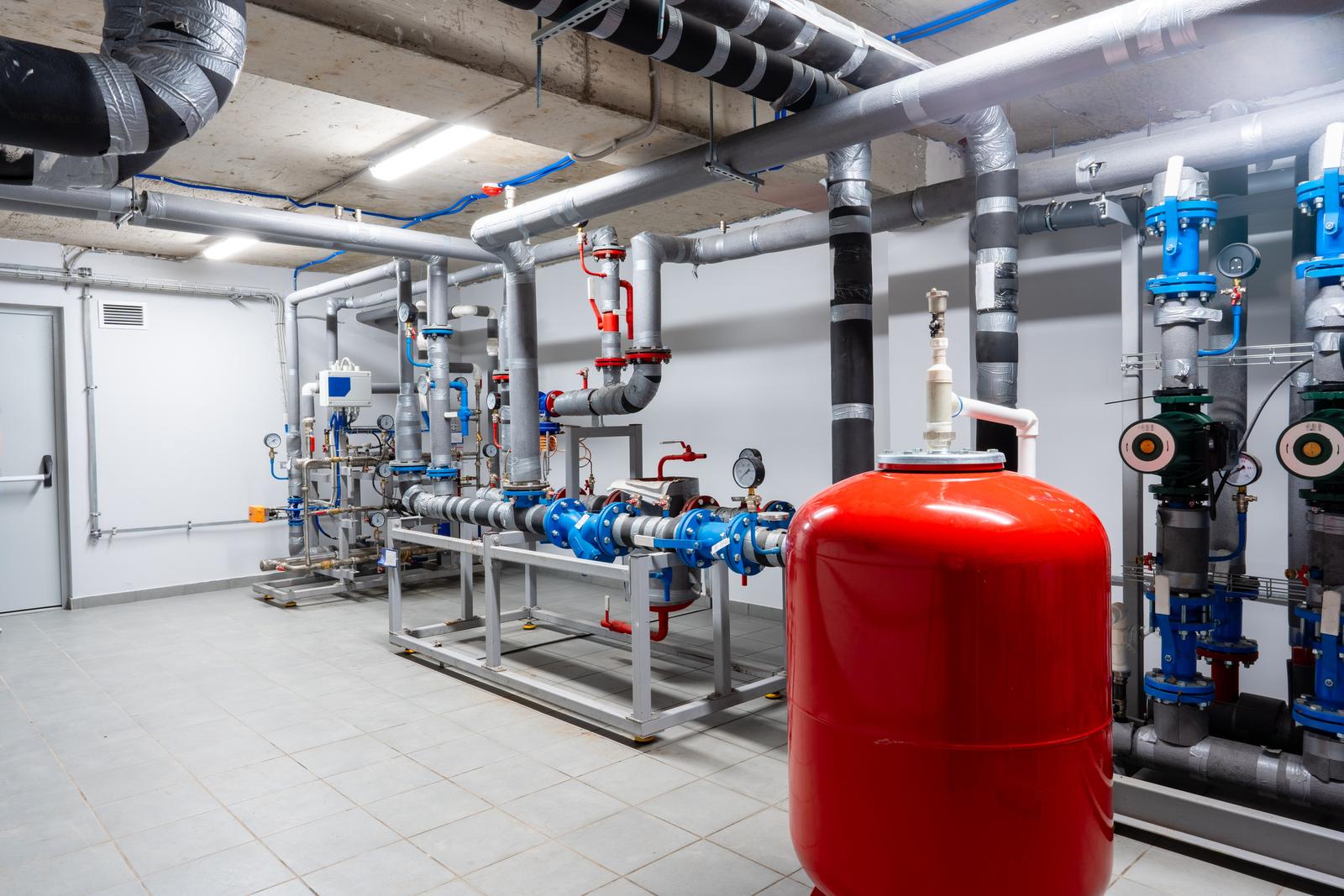
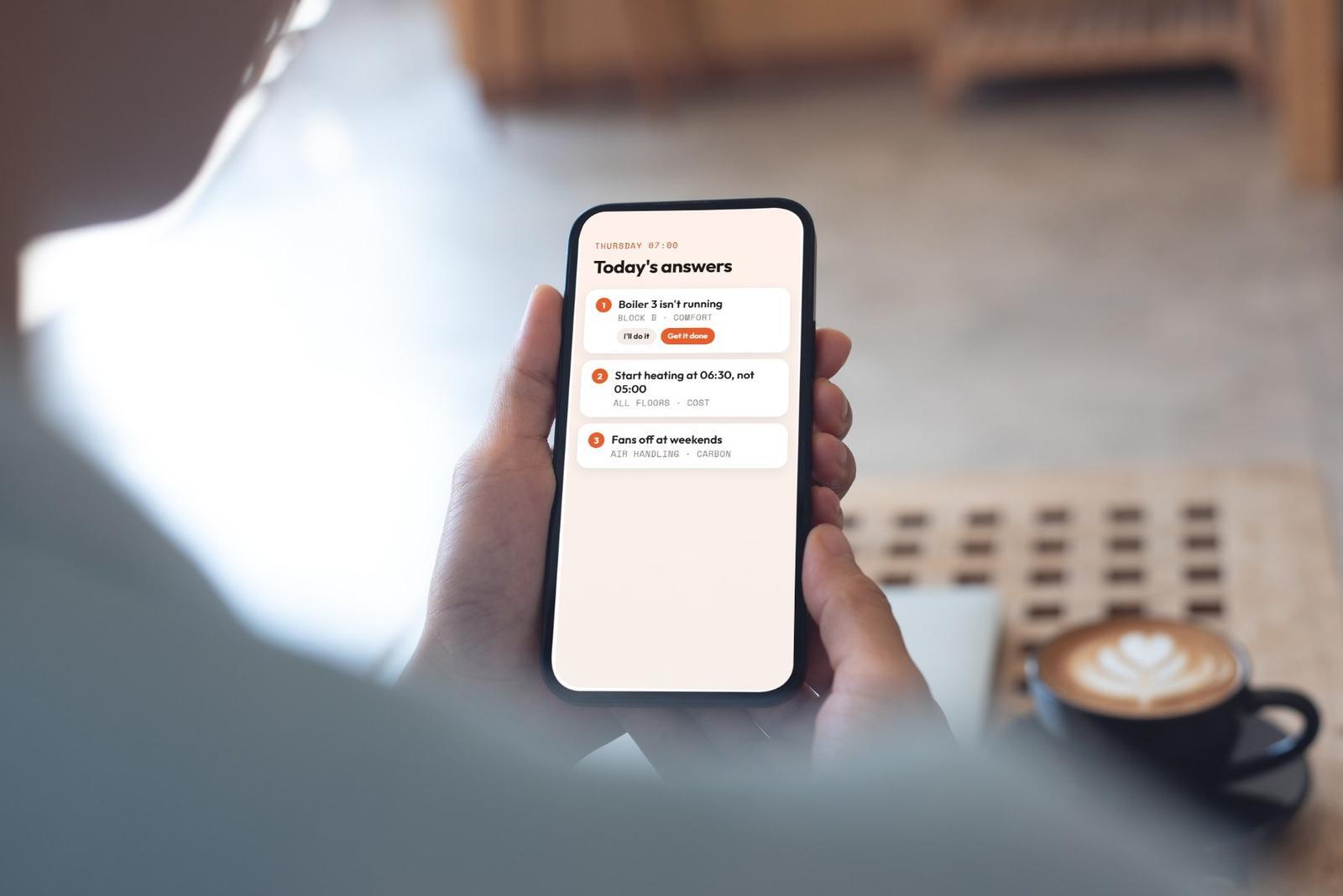
 How it worksThe top three, every morning
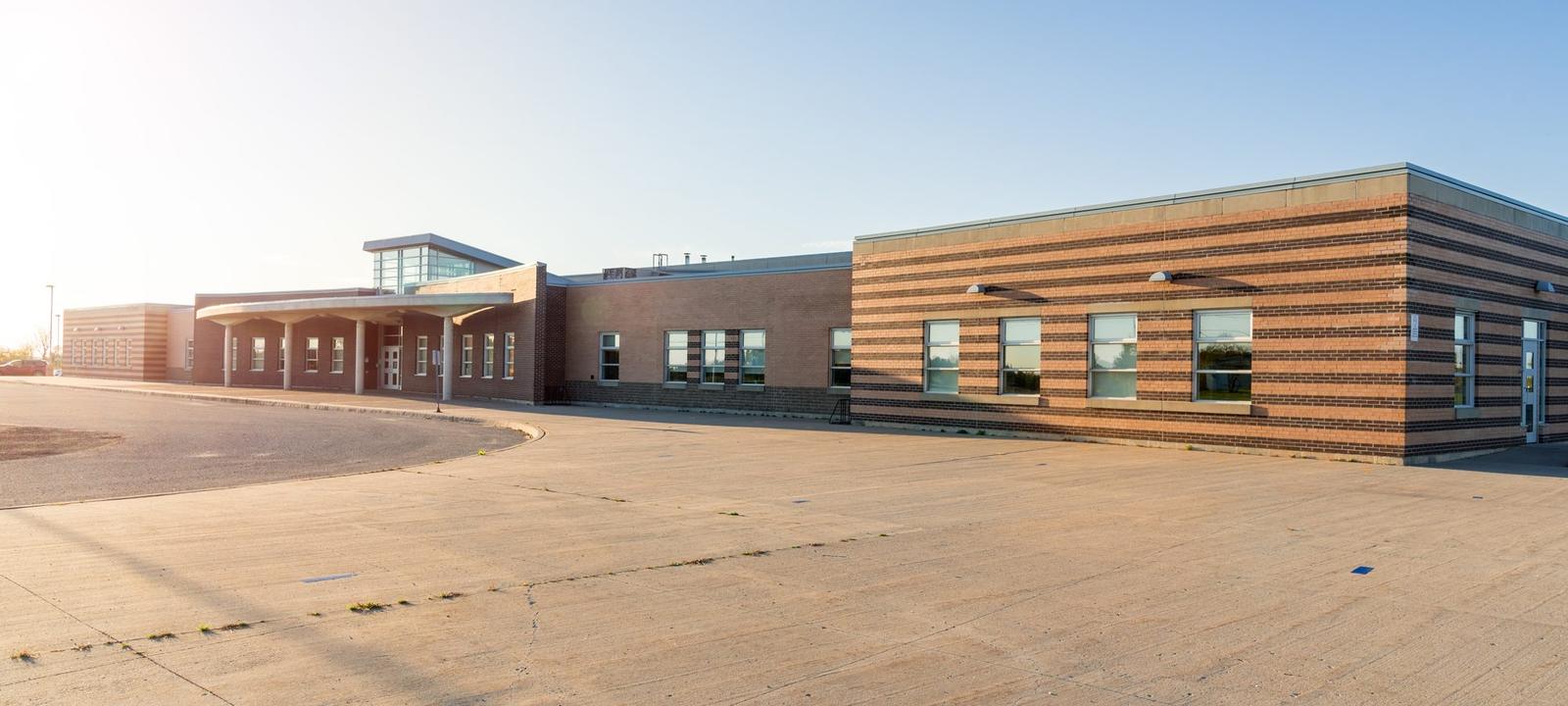
 Schools and trustsWarm for the first bell
 PortakabinOut of hours, from 52% to 30%
 From the blogThe 3am problem
 About GridEdgeSince 2016, on your side
Here are two half hours from the same day in Great Britain, 1 September 2026.
- At 13:30, electricity cost 3.2p a unit wholesale, and each unit came with 56 g of carbon.
- At 19:30, the same electricity cost 19.1p a unit wholesale, with 159 g of carbon.
Same electricity, same day, six hours apart. The most expensive half hour cost about six times as much as the lowest-cost one, and each unit carried far more carbon. The wholesale price is one part of a business energy bill, so your own bill will not move by exactly that much. The gap is still worth knowing about.
Your building has a shape, and so does the grid
Through the day, your building's energy use rises and falls. So does the carbon in each unit from the grid, and so does the price. A building on a fixed timer takes no notice of either.
We can't change what electricity costs, or when the wind blows. What a building can change is when it uses energy. Bringing those two shapes closer together is the third step in how we work: see it, fix it, improve it.
Today, the reason is carbon
When the grid runs on wind and sun, each unit you use carries less carbon. Using more in the greener hours, and less at the peak, cuts your carbon now.
There is a second benefit. More home-grown power means more secure energy, less exposed to world prices.
Tomorrow, the reason is price as well
Our step three puts it in two lines. Today, match your energy use to renewable generation. Tomorrow, match it to pricing.
The 1 September figures show why the second line matters. Of those two half hours, the greener one was also the lower-priced one, and the dirtier one was also the more expensive. A building that already knows when it uses energy, and has learned to move some of it, won't be starting from scratch when timing starts to show up in price.
Same comfort, different timing
None of this means switching things off when people need them. The idea is simple: warm up early, and ease off at the peak. A morning list might include an action like "Ease cooling off from 4pm to 6pm, when prices peak."
In practice, your buildings use more when power is greenest and less when it is most expensive. Every change stays inside the comfort range you set, and nobody inside should feel it. A person checks every recommendation, and nothing changes without your yes.
Questions to ask about your own building
You don't need a new system to start thinking about timing. A few questions, asked with your facilities team, will show where the room to move is:
- What is running in your building at 19:30 on a weekday, and does it need to be?
- Could some heating or cooling happen a little earlier, so the building is ready before the evening peak instead of working hardest during it?
- What comfort range are you happy to hold? Write it down, so every change can be checked against it.
- Who would make a timing change: your own team, your FM provider or a partner?
The answers won't be the same for every building. A school, an office and a shopping centre all use energy at different times. That is why it starts with your own data.
Where to start
You can't change the timing of energy use you can't see. The first step is your building's own half-hourly shape: when it uses energy, shown next to live carbon from the grid. That needs no new hardware, only meter data. Our Ready for the grid page explains more about why timing will matter.
Or start with your own building. Answer six quick questions, in about a minute, for free. See if your building could save energy.