 How it worksThe top three, every morning
 Schools and trustsWarm for the first bell
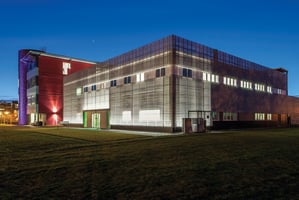 PortakabinOut of hours, from 52% to 30%
 From the blogThe 3am problem
 About GridEdgeSince 2016, on your side

Switching off the invisible.
Half of the energy Portakabin bought was being used when nobody was on site. Nobody could see it, so nobody could stop it.
Twenty-two of Portakabin's roughly seventy UK properties went onto half-hourly monitoring in January 2026. Six months later the estate had split in two, and the difference between the halves was not the buildings.
Buildings that always felt warm.
Across Portakabin’s hire centres and operational centres, the same picture repeated. Batteries on charge for power drills. Workshops lit. Offices and welfare facilities heated whether or not anyone was in them.
The waste was obvious to anyone standing in the room, and it never showed up anywhere anybody could point to. Energy data existed, supplied by an incumbent provider. What it could not do was separate the working day from the night, and without that split there was no argument to take to a leadership team.
Head of HSE, Portakabin
The line barely comes down at night. That is the whole finding.
Shaded hours are outside the occupied window. Across the twenty-two connected sites, 52–53% of all consumption fell in them. Switching off everything but the essentials overnight took a further six kilowatt hours off the floor. Profile shape is illustrative; the share is measured.
Twenty-two properties carried half-hourly meters and went on first. The habits proved on those sites travel to the rest of the estate whether or not the meter is connected.
The variable was never the building. It was attention.
Where a team took ownership, someone named to switch off on a Friday, timers on the air conditioning, a walk-round audit, consumption fell. Where nobody owned it, consumption rose. The split had nothing to do with building age, region or plant. The London region, under regional operations manager Tony Turner, got on board fastest, and its St Albans site returned the best result on the estate.
Six months, January to June 2026. The band is the range across engaged sites; the marker is their average. Weather and output were both checked against the prior year and neither accounts for the increase on the rest.
Visibility on its own saved nothing. So did good intentions without it.
- The estate, and the carbon targets it has to hit
- Site teams who walk the yard and know what is really running
- A named owner for switch-off, region by region
- The local knowledge that queried a meter nobody recognised
- Half-hourly consumption at MPAN level, every connected site
- The occupied day separated from the hours nobody is there
- Cost and carbon tracked against baseline as it happens
- A reduction target set per team, and visible to them
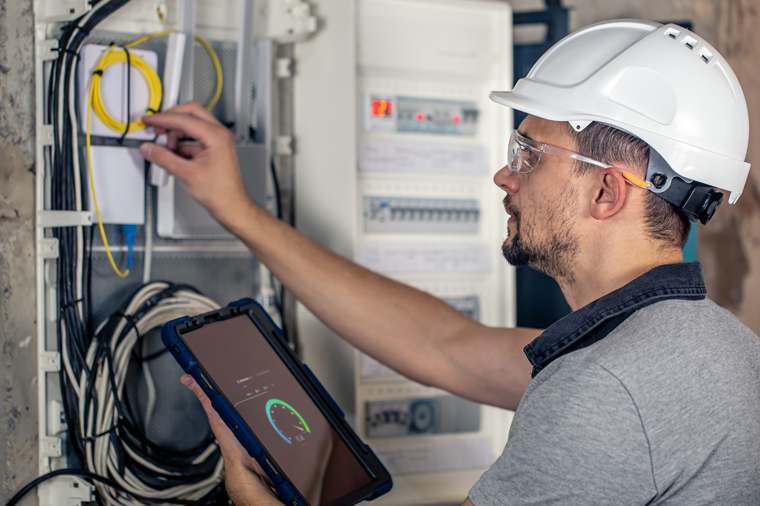
“You focus on these areas, you get the right behaviours in place, and the savings are there to be had. We’ve just got to take those learnings and implement that across the rest of the organisation.”
Brendan Cornick · Head of HSE, Portakabin
No capital. No new plant. A walk round with the data in hand.
The best result
- High-level heaters in the toilets set to maximum, running day and night
- A storage area heated with the doors left open, thermostats at 26°C
- Timers on air conditioning, and a named owner for end-of-day switch-off
Quick wins in the yard
- Destratification fans switched off overnight
- Battery chargers unplugged once charged
- Drying room heated forty minutes before a break, not four hours
- PIR sensors adjusted so empty buildings stopped lighting themselves
Making it a habit
- A named person responsible for switch-off before the weekend
- Posters and screensavers carrying “20 degrees is enough”
- A 5% or 10% reduction target set per team in the dashboard
- Six kilowatt hours taken out of the overnight base load
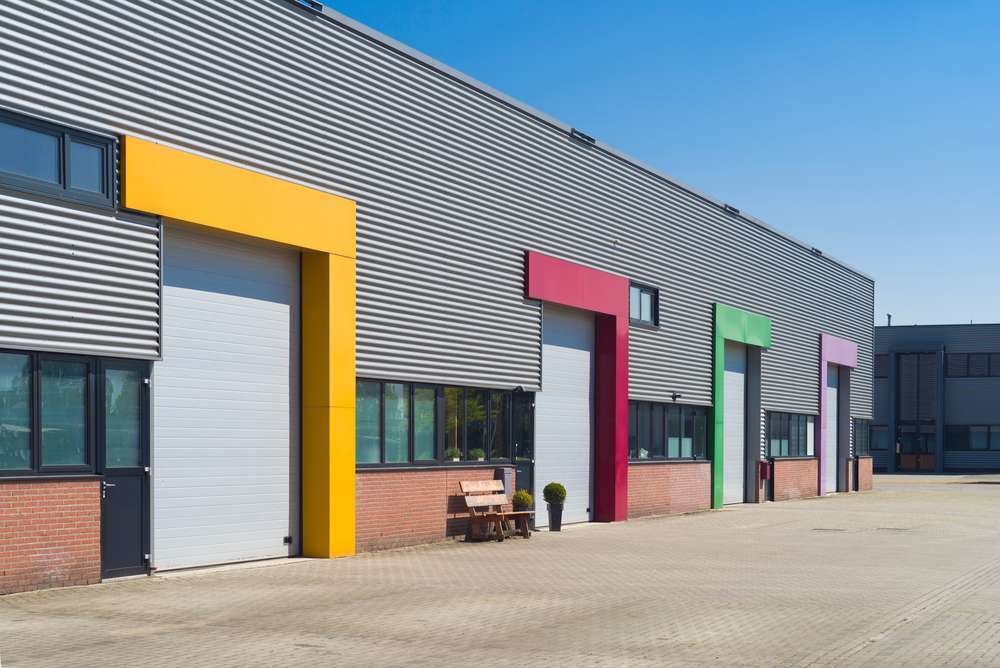
“I was genuinely walking round thinking, this will have some impact, but it won’t change things massively. Three or four weeks later Brendan emailed to ask what we’d done in Glasgow. It was so much more than I thought it would ever be.”
Mark Ellis · Glasgow depot
Savings the monthly bill could never show.
Some of it was consumption. Some of it was never Portakabin's to pay in the first place: onboarding meant supplying an MPAN for every meter, and that exercise surfaced supplies on the account that belonged elsewhere, including a site vacated when the team moved next door that carried on being billed alongside its replacement.
Neither was visible centrally, because centrally the bills simply got paid. It took someone on site to look at a list of meters and say the obvious thing.
“Hang on a minute. I don’t recognise that meter. We’ve only got one meter on site, not two.”
Paid back inside a month.
The programme went to Portakabin’s leadership as a proof of concept, backed by enterprise leaders across the business. A two-year contract was signed, and the first month settled the question of whether it continued.
It also changed what could be asked for next. Carbon reporting now feeds bids and tenders directly, where buyers want evidence on embodied carbon in the product and scope 3 on installs and delivery.
That matters internally as much as commercially. Not everybody is moved by carbon for its own sake, and the work-winning angle gives commercial teams a reason to care that pays them back directly. The task now is finding the hook of why this matters to people, region by region.
Head of HSE, Portakabin
The cold quarter is still ahead.
The programme began in January and ran through the back half of the heating season. The learnings arrived before the next one rather than during it, which is why Q4 2026 and Q1 2027 are expected to carry the significant numbers.
Solar, measured
Several sites generate and none of it is visible. First question is what it produces and where it goes.
York, sub-metered
Three or four production areas on the manufacturing campus, measured as energy per equivalent unit of output.
Gas and water
The remaining utilities on the same view, rather than reading energy in isolation.
Automation
Building management control on a pilot site, to take the human element out of the switch-off.
