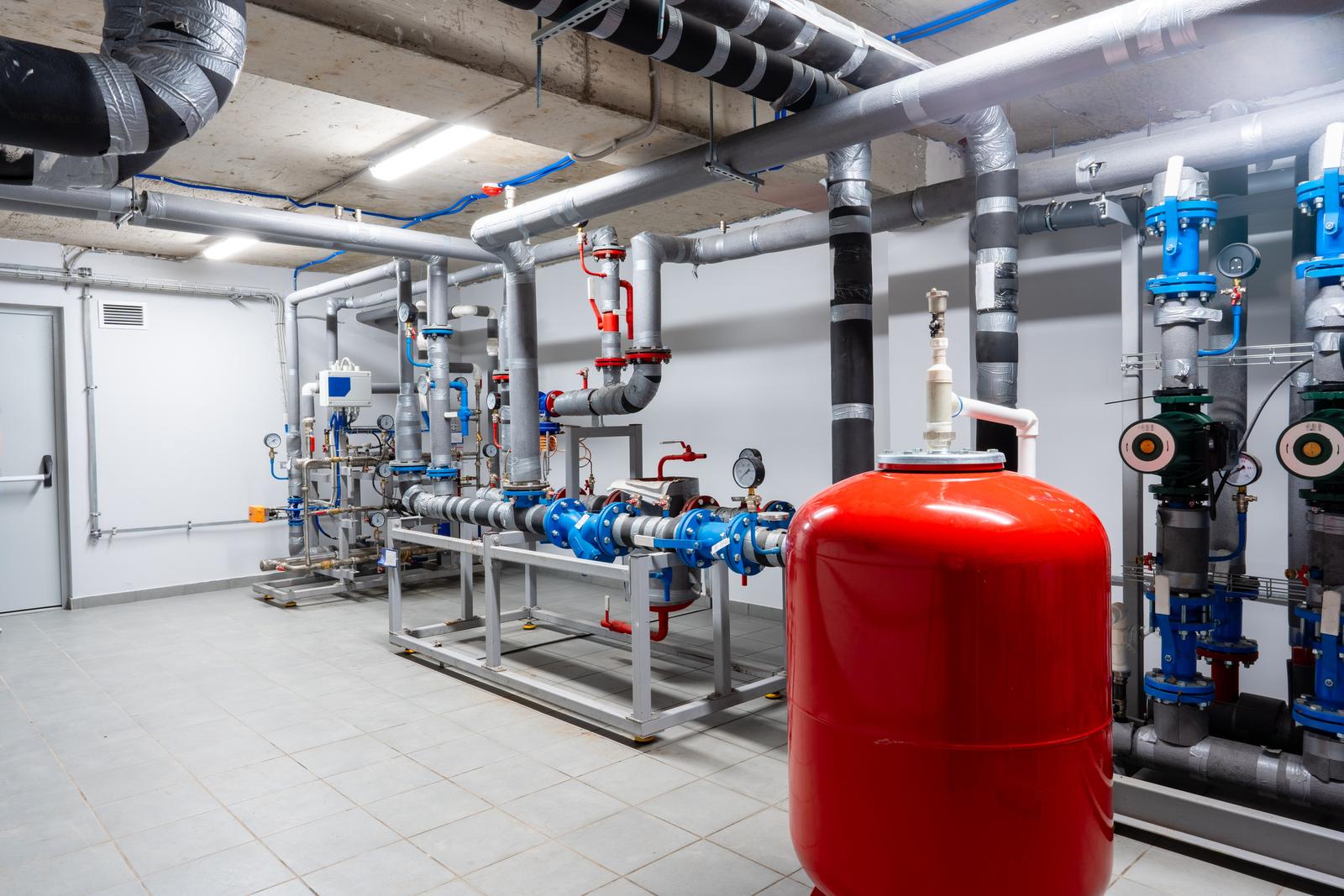
 How it worksThe top three, every morning
 Schools and trustsWarm for the first bell
 PortakabinOut of hours, from 52% to 30%
 From the blogThe 3am problem
 About GridEdgeSince 2016, on your side
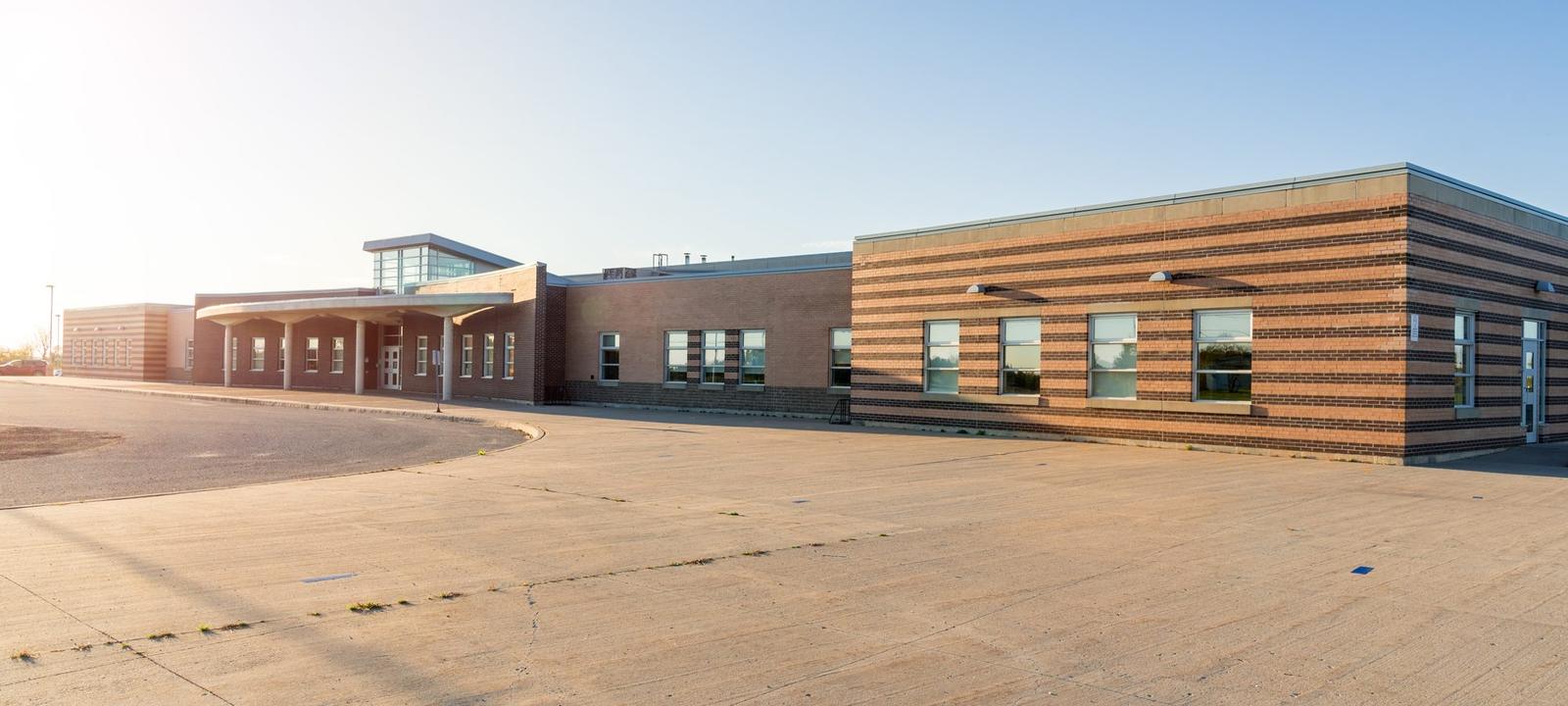
A school building has a simple job. It should be warm when pupils arrive, and off when they have gone home. Around that sit clubs, evening events, exams, holidays and half terms, and a heating schedule that was set once and rarely checked again.
That is why education is one of the four kinds of building we know best. Schools are term-time buildings on schedules nobody rechecked, and the people who run them have plenty else to do.
The site team's top three, ready by seven
GridEdge connects to your meters and to the system that runs your heating and cooling, and each morning gives the site team the top three things to do. Cold classrooms, stuck valves and heating left on are found before a teacher calls.
Each action is in plain words: what is wrong, where, and what to do first. A person checks it before it reaches you. For each one, the team can action it, ask a question, look into it on site, or decline it and tell us why.
On a Monday morning, a trust's list might read:
- Room 14 too cold. Fan coil not running. (Science block, comfort)
- Hall heated till 9pm for one club. (Sports hall, cost)
- Boilers on through half term. (Whole school, carbon)
The order matters. Comfort comes first, then cost, then carbon. A cold classroom gets fixed before anyone looks at the sports hall's evening hours.
Half term is a good test
With half term coming, it is worth asking a plain question: will the buildings know the pupils have gone? If the boilers run through the holiday as if it were a school day, that energy heats empty rooms.
This is the kind of thing that lands on the list. It is hard to spot from the office, and once someone sees it, it can be put right.
A half-term check for site teams
Before the break, a few questions are worth ten minutes with whoever looks after the heating controls:
- Are the half-term dates in the heating schedule, or will it run as a normal week?
- Which spaces are booked over the break, such as a hall for a holiday club, and which can stay off?
- When does the heating come back on before pupils return, so classrooms are warm for the first bell?
- Who will check on the first morning back that the rooms really are warm?
None of these needs new kit. They need someone to look, and a list that reminds them where.
One list for the whole trust
For a trust, the job multiplies. Every building is different. One is too hot. One never switches off. GridEdge learns how each one should run, and flags the ones that don't.
All of it sits on one page, school by school, with the most urgent action first. Each school joins the list when it connects. An estates lead sees every school in one place, with the most urgent problems at the top.
Who makes the change
Nothing changes in a school without a yes. A person checks every recommendation first. Then the site team can make the change with the steps laid out, or your FM provider or our partners can do it as part of the contract.
Every pound stays in the classroom
For a school, energy that isn't wasted is money that stays in the budget. Every pound off the energy bill stays in the classroom.
Getting started doesn't need new hardware. It starts with an energy bill. More on how we work with schools is on our schools and trusts page.
Before half term, find out whether your school could save energy. Answer six quick questions, in about a minute, for free. See if your building could save energy.